Understanding the psychology of gambling Insights from ice fishing game
The Parallels Between Ice Fishing and Gambling
At first glance, and gambling might seem worlds apart, yet they share fascinating psychological elements. Both activities involve a blend of skill, luck, and anticipation. In , anglers must often wait patiently for fish to bite, relying on experience and intuition. This waiting game creates an adrenaline-fueled excitement akin to the anticipation felt by gamblers as they place their bets. Both scenarios cultivate a sense of suspense that keeps participants engaged and emotionally invested.
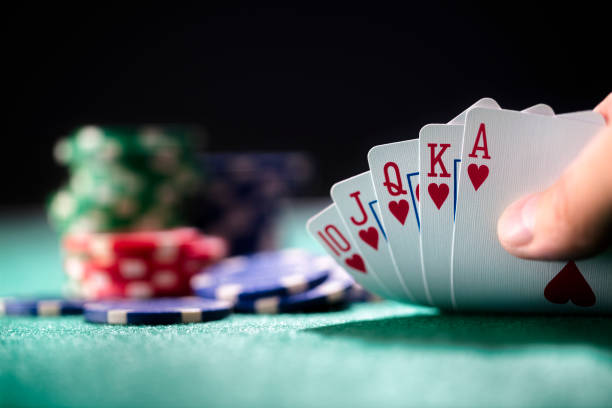
The decision-making processes in and gambling also exhibit striking similarities. Just as a fisherman decides when to reel in their catch, a gambler must evaluate the right moment to place or increase their bet. The psychological thrill that accompanies risk-taking in both arenas taps into our innate desire for reward and recognition. This inherent drive can lead individuals to make bold choices, despite the unpredictable nature of outcomes. ice fishing
Moreover, the social dynamics present in both and gambling cannot be overlooked. Group fishing outings and casino environments foster social interaction, enhancing the enjoyment of the activity. Participants share strategies, experiences, and camaraderie, all of which heighten their emotional connection to the experience. This social engagement is essential in shaping one’s perception of both and gambling, often leading to a more satisfying experience overall.
The Psychological Drivers of Risk-Taking
Understanding the psychological motivations behind risk-taking behaviors can illuminate why individuals are drawn to both and gambling. The thrill of uncertainty often activates the brain’s reward systems, releasing dopamine and leading to a pleasurable experience. This biological response explains why the adrenaline rush of fishing or the excitement of hitting a jackpot can be so intoxicating. Engaging in riskier behavior not only elevates mood but also reinforces these activities as sources of joy.
Further exploring the concept of risk, cognitive biases often play a role in decision-making. Gamblers may fall prey to the “hot hand” fallacy, believing they are on a winning streak. Similarly, a fisherman might overestimate their skills based on past successful catches. These biases shape how individuals perceive their chances of winning or succeeding, influencing future choices. Understanding these cognitive shortcuts helps explain why people might repeatedly engage in activities despite the inherent risks involved.
Additionally, the psychological concept of ‘loss aversion’ is crucial to comprehend. Research shows that individuals are more motivated to avoid losses than to pursue equivalent gains. In gambling, this can manifest as a compulsion to chase losses, leading gamblers to place additional bets to recover what they’ve lost. Likewise, ice fishermen often invest time and resources even when conditions are unfavorable, driven by a fear of missing out on potential success. These psychological dynamics reveal the complexities of human behavior in risk-taking scenarios.
The Role of Environment in Shaping Experience
The environments in which both and gambling occur significantly influence the psychological experience. typically takes place in serene, natural settings, fostering a sense of calm and connection to nature. This tranquil atmosphere can mitigate stress, allowing participants to savor the moment and enjoy the thrill of the catch. In contrast, casinos are designed to engage all senses, from the sound of slot machines to the vibrant lights, creating an exhilarating yet often overwhelming experience.
Moreover, the environment directly affects the social dynamics of both activities. can be a solitary or communal experience, where friendships are formed and strengthened over shared fishing trips. Similarly, casinos provide a social platform where players engage with one another, discussing strategies or sharing stories. The design and ambiance of these environments either enhance or detract from the overall enjoyment, impacting participants’ psychological engagement with the activities.
The Family-Friendly Aspects of Both Activities
Both and gambling can offer family-friendly dimensions, appealing to varied audiences while fostering connections. is often seen as an inclusive activity that families can enjoy together. It provides an opportunity for parents to bond with children while teaching them patience and the intricacies of the sport. This intergenerational engagement can create lasting memories, instilling a love for outdoor activities and a respect for nature.
On the gambling front, many family-friendly casinos are now implementing recreational activities that extend beyond traditional gambling. These venues often feature game rooms, dining experiences, and entertainment options that cater to families. By providing a safe and engaging atmosphere for all ages, these casinos can draw in families while allowing adults to enjoy the thrill of gaming responsibly. The dual focus on family engagement and responsible gambling practices promotes a healthy approach to entertainment.
The intersection of family and recreation in both contexts underscores the need for responsible participation. Whether on the ice or in a casino, fostering awareness about limits and healthy behaviors is crucial. Parents can model healthy habits, ensuring that activities remain enjoyable and do not become problematic. By promoting family-friendly environments, both and gambling can serve as platforms for connection, enjoyment, and shared experiences.

About Our Website
Our website is dedicated to exploring the multifaceted world of recreational activities, particularly those that merge excitement with psychological insights. We aim to provide engaging content that not only entertains but also educates our readers about the underlying principles governing various pastimes, such as gambling and . Through in-depth articles, we delve into the motivations, experiences, and social aspects that characterize these activities.
In addition to our informative articles, our site offers valuable resources for individuals seeking to engage responsibly in recreational activities. We believe that understanding the psychological elements at play can enhance enjoyment while promoting safer practices. Whether you are an avid gambler, an enthusiast, or simply curious about the psychology of leisure, we invite you to explore our content for insights and inspiration.
Deixe um comentário